Santoña
Camino del Norte
Santoña is surrounded by the sea on three sides and a mountain on the fourth — geography that made it a natural fishing and canning port. The anchovies from Santoña are famous throughout Spain, and the canneries along the harbor are still operating. If you eat one anchovy on the entire Norte, make it here.
The Iglesia de Santa María del Puerto is not on the camino but merits a detour. The monument at the port honors Juan de la Cosa, the cartographer who created the first map of the Americas — he was captain and owner of the Santa María on Columbus's first voyage, a fact the history books tend to underplay.
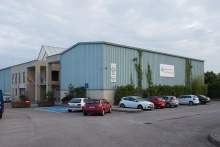
The town has solid services: bars, restaurants, shops. The municipal albergue is west of town center, on the road to Berria.
The Iglesia de Santa María del Puerto, dating to the 13th century, was built over an 8th-century Benedictine monastery which itself supposedly occupied the site of a church founded by Santiago in the year 37 — a claim that connects Santoña to the very origins of the pilgrimage tradition.
Juan de la Cosa's map, commissioned by the Catholic Monarchs, is the only chart of the New World created by someone who witnessed Columbus's first voyage firsthand. Five centuries after Juan de la Cosa left Santoña by ship, Charles Lindbergh landed his seaplane Albatros offshore in 1933, forced down by weather while en route to Lisbon. The town spared no expense to accommodate him and his wife.
From the ferry terminal, with your back to the water, walk straight into the city. You will pass through the Plaza San Antonio and then the large Manzanedo Park. Keep going straight when you get to the first roundabout (bus terminal here) and at the next one do the same; you are looking for the least busy northbound road. From this roundabout, it is a straight path to Berria. At the entrance to town is the high-walled El Dueso prison.
Comments